

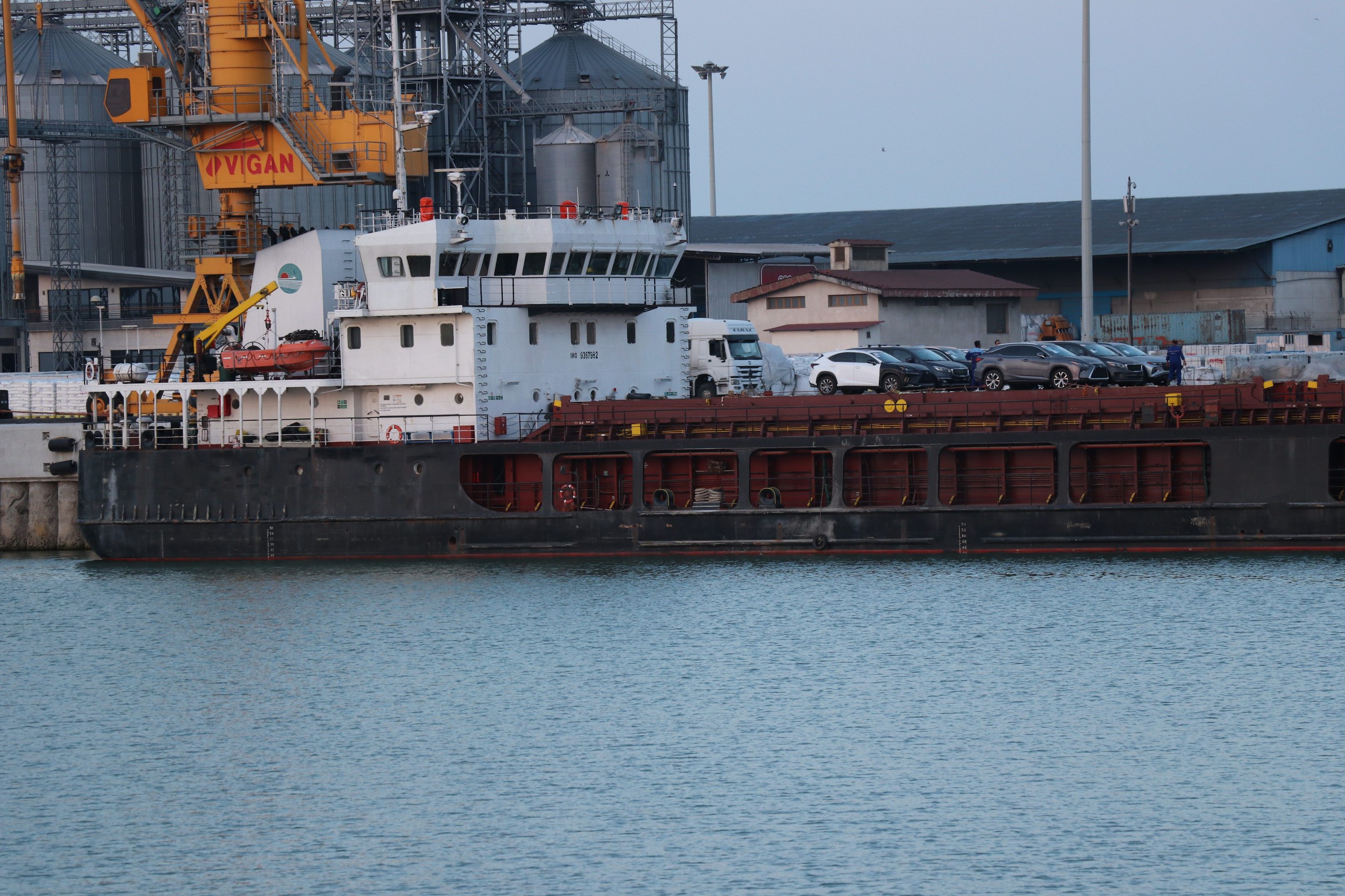


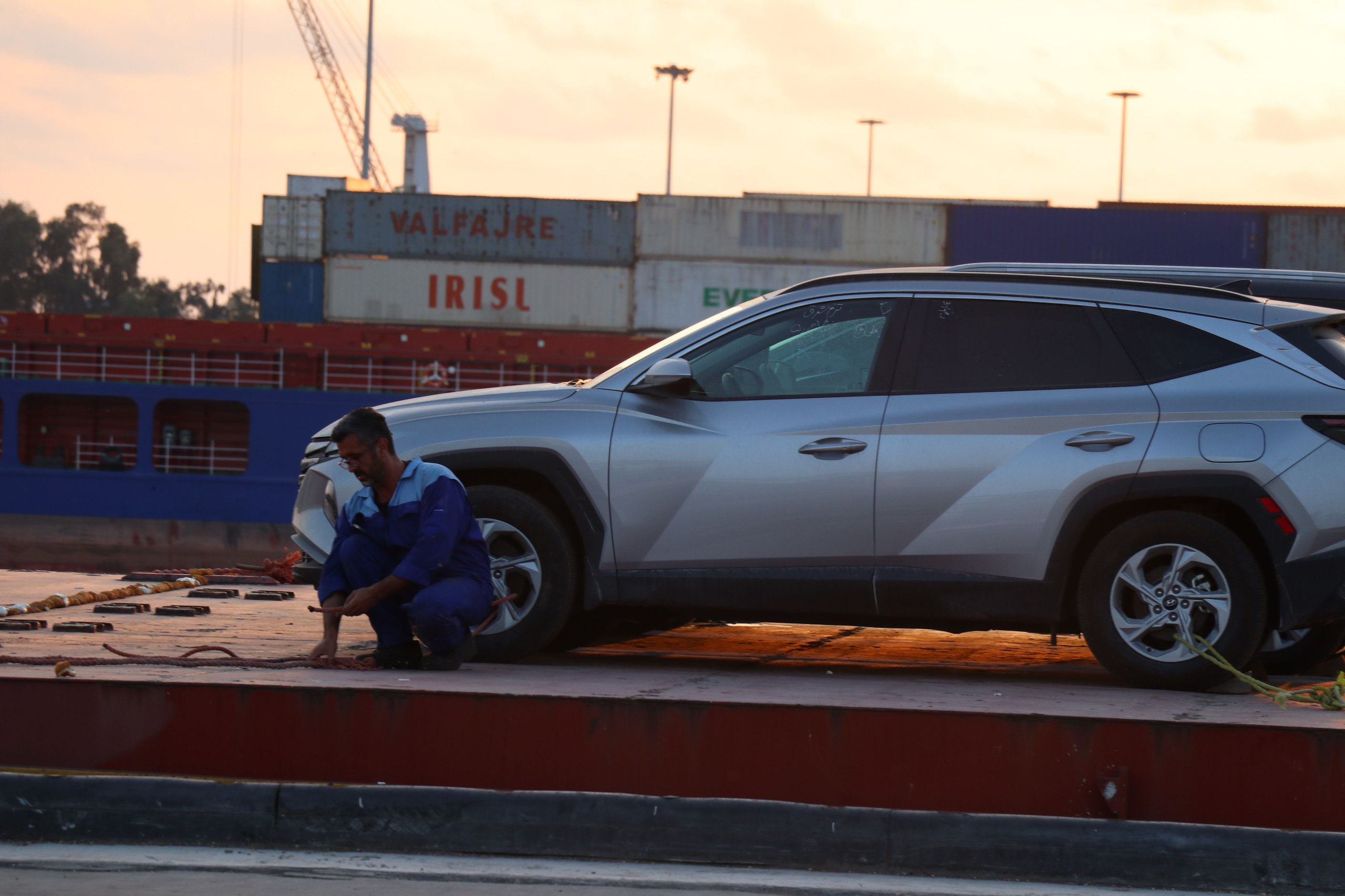


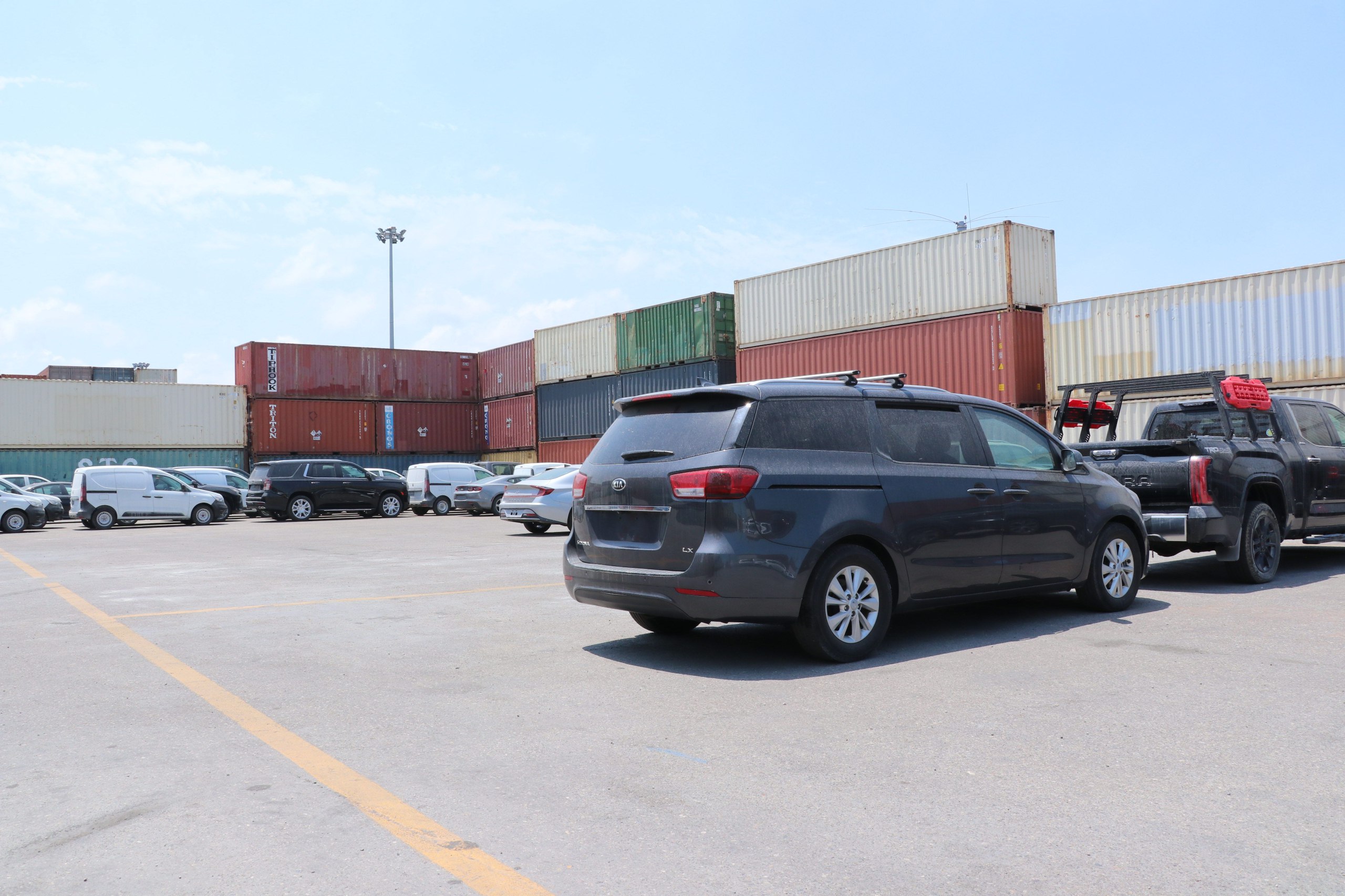









The shipping of vehicles such as cars, trucks, SUVs, vans, and motorcycles from the UAE to various countries via Iran involves a complex system of logistics, maritime routes, and land connections. This section aims to examine the mechanisms involved in this shipping process, the key players, and the historical context that has shaped current practices. Additionally, it will explore the economic implications and potential future developments in the industry.
The transportation of vehicles from the UAE to countries like the Republic of Azerbaijan, Republic of Kazakhstan, Republic of Tajikistan, Russian Federation, and Turkmenistan is primarily facilitated through maritime freight routes. Significant ports in this regard include Mina Rashid in Dubai and Bandar Lengeh in Iran. Coupled with this maritime system are the land freight options linking Iran's interior to the borders of these Central Asian nations and Russia. The part will elaborate on the logistical processes involved in the shipment of vehicles and the critical role these ports play in facilitating trade.
Mina Rashid port in Dubai is one of the largest and most sophisticated maritime logistics hubs in the region. It has a strategic location and is well-equipped to handle large volumes of sea freight. Its operations have been enabled by advancements in technology, allowing for more efficient processing of customs and shipping paperwork. The transition from sea freight to land freight occurs once the vehicles reach Iranian ports such as Bandar Lengeh. Here, the vehicles are typically stored in bonded warehouses before being trucked to their final destinations in Central Asia or Russia.
To support the maritime and land transportation, Bandar Anzali and Bandar Amirabad are also vital ports for vehicle shipping. These ports are specifically set to facilitate not only the loading and unloading of vehicles but also their subsequent redistribution into neighboring countries. The efficiency of these ports often determines the overall success of logistics operations, impacting both delivery times and costs.
An essential part of the operation is understanding the customs regulations in both transit and destination countries. Effective compliance with import and export controls is paramount. The UAE has bilateral agreements with many of these countries that streamline the process and foster smoother trade relations. Key figures in this process range from officials in customs to the shipping companies responsible for coordinating the logistics. Additionally, industry experts have often been influential in creating systems designed to optimize vehicle transport efficiency.
Economic factors significantly impact this domain. The vehicle shipping industry plays a significant role in the economies of the UAE and Iran as well as the receiving countries in Central Asia and Russia. As these nations seek to expand their automotive markets, the demand for imported vehicles is rising. This rise presents opportunities for UAE exporters looking for new markets amid a diverse customer base.
The role of technology in vehicle shipping is also becoming increasingly prominent. Advanced tracking systems allow companies to monitor shipments in real-time, an advantage that enhances customer service and increases operational efficiency. Companies that invest in technological solutions tend to have a competitive edge over those that do not. In addition, software solutions for route optimization can significantly reduce transportation costs and delivery times.
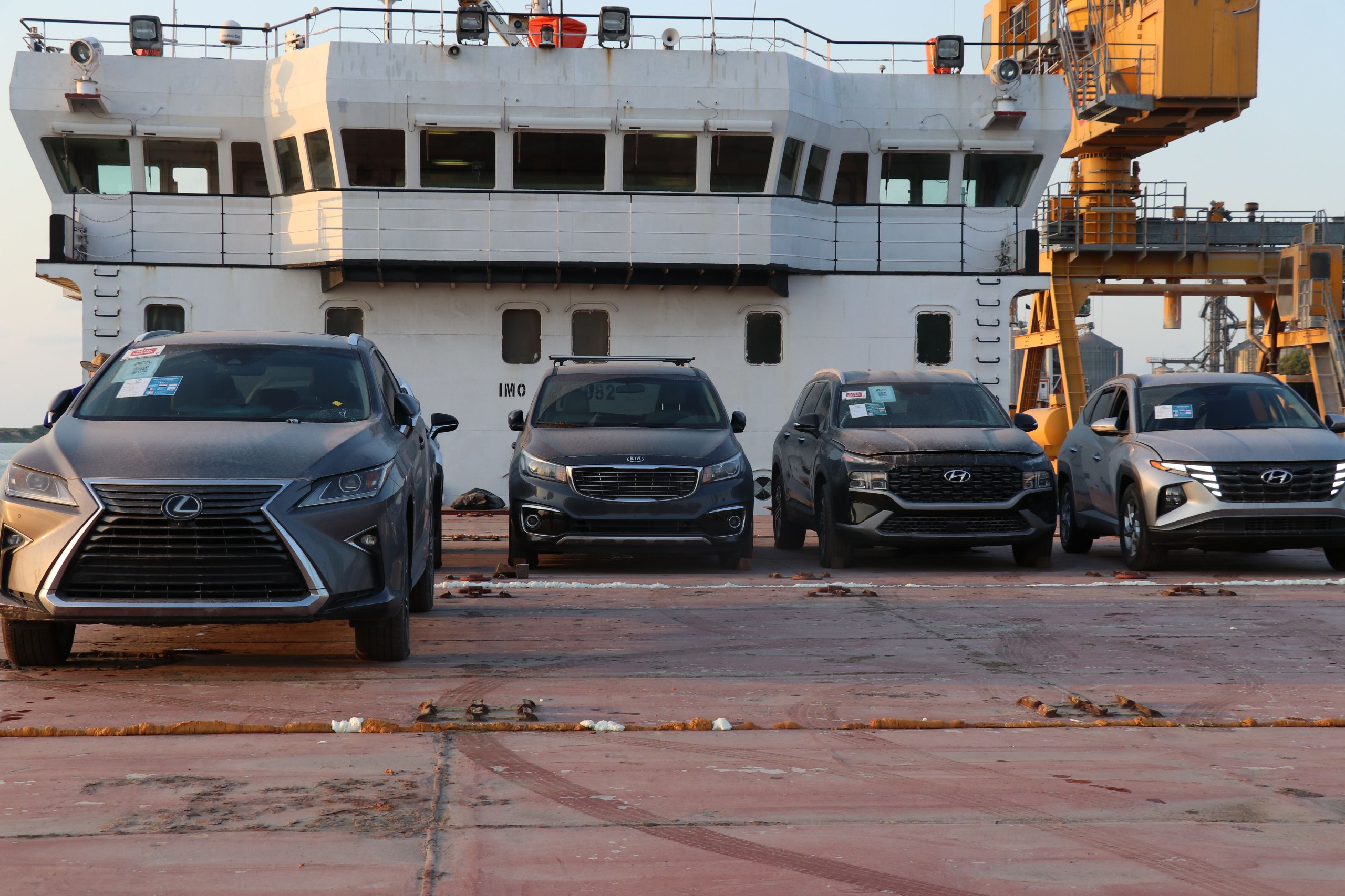
Looking to the future, there are several potential developments in the realm of vehicle shipping. As the global economy continues to evolve, there is a likelihood that new shipping routes will emerge. The development of infrastructure, such as new highways and railways through Iran and into Central Asia, will enhance the capacity for land freight associated with the shipping of motor vehicles. Furthermore, as countries work on reducing carbon footprints, the demand for electric vehicles is likely to grow. This shift will require adaptations in the logistics processes to accommodate vehicles that may need special handling or different types of insurance.
In conclusion, the shipping of motor vehicles from the UAE to key markets through Iranian ports involves a multifaceted logistics network that combines sea and land freight operations. The strategic relevance of ports like Mina Rashid, Bandar Lengeh, and others cannot be overstated, as they serve as crucial nodes in the transportation continuum. Influential stakeholders and evolving technologies are shaping the industry's direction, ensuring it remains responsive to market demands. As economies grow and industries adapt, the vehicle shipping landscape will continue to evolve, driven by the convergence of trade opportunities and technological advancements. The ongoing commitment to efficient logistics management will be pivotal in addressing the challenges and leveraging the opportunities that lie ahead.