

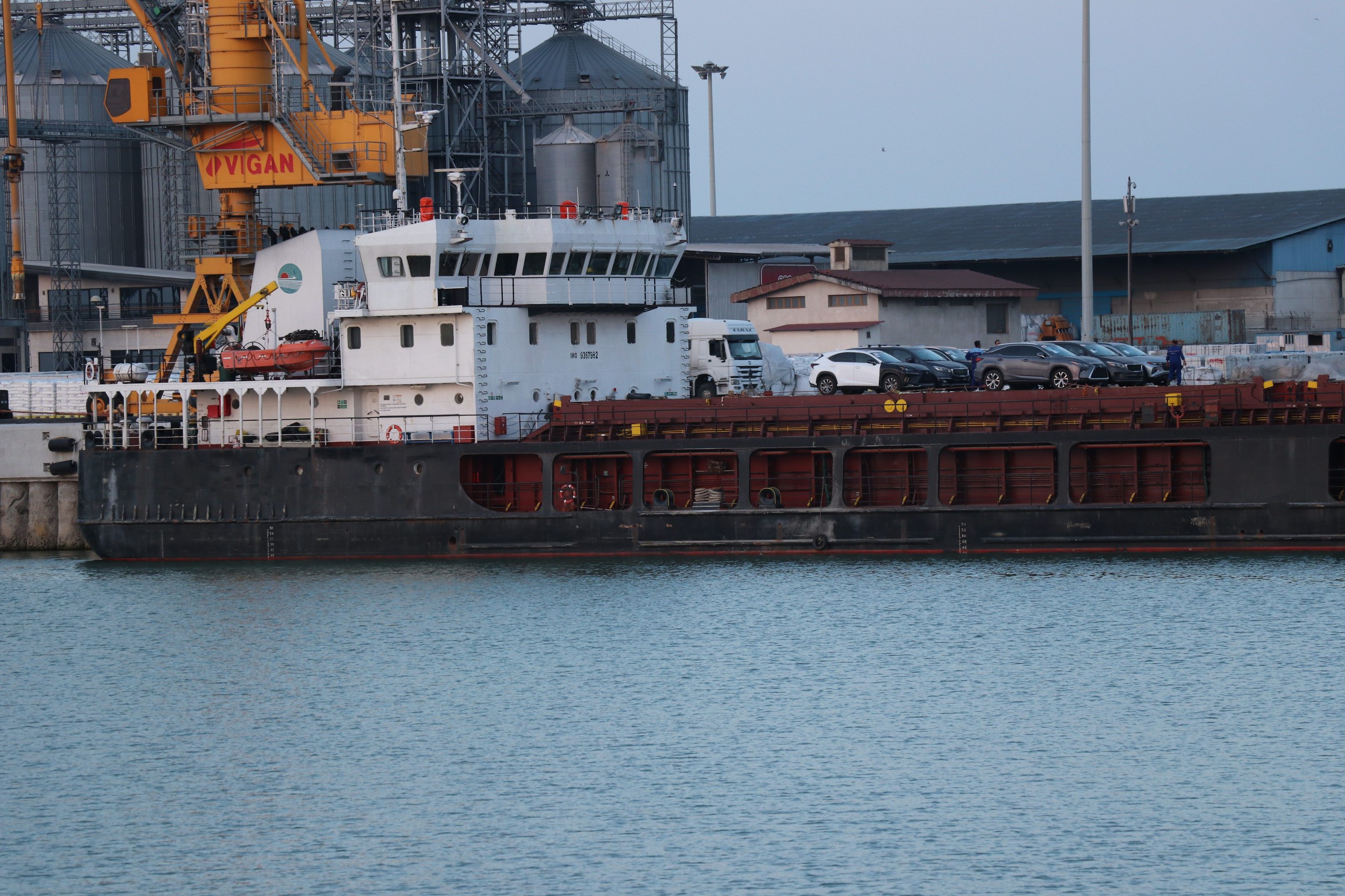




Transit CAR, TRUCK, SUV, VAN, MOTORCYCLE SHIPPING FROM UAE BY SEA FREIGHT TO Russian Federation via iran (Export/Import)
The transportation and shipping of vehicles such as cars, trucks, SUVs, vans, and motorcycles from the United Arab Emirates to the Russian Federation via Iran is a complex yet crucial logistical operation. This part will examine the key aspects of sea and land freight involved in this process, highlighting the ports of Mina Rashid and Bandar Lengeh and discussing delivery to notable Russian ports such as Astrakhan, Makhachkala, and Turkmenbashi. Furthermore, it will analyze the implications of this trade route, consider influential individuals and companies involved, and explore future developments that may arise in this industry.
The initial step in this logistical operation occurs at Mina Rashid port in Dubai, which is one of the busiest and most significant shipping hubs in the Middle East. Mina Rashid has a well-established reputation for facilitating efficient cargo movements. The port's strategic location allows for quick access to various shipping lanes, making it an ideal start point for transporting vehicles to various international destinations, including Russia.
Once the vehicles are loaded onto ships, they embark on a journey across the Persian Gulf to Bandar Lengeh, which is a prominent Iranian port on the southern coast. Bandar Lengeh serves as a critical link in this transit process. With its modern facilities, it is equipped to handle various types of cargo, including vehicles. Upon arrival, vehicles are unloaded and teams work efficiently to prepare them for their journey through Iran toward their final destinations in the Russian Federation.
The land freight component of this operation is essential for moving vehicles from Bandar Lengeh to several key Iranian ports, notably Bandar Anzali and Bandar Amirabad. Both ports are vital for the re-exportation of vehicles to Russia and have the capacity to handle significant volumes of cargo. Iran's strategic geographical position facilitates the movement of goods into the Caspian Sea region, where vehicles can then be shipped to Russia.
Delivery to Russian ports is the final phase of this transportation network. Astrakhan, Makhachkala, and Turkmenbashi are poised to receive these vehicles, playing a crucial role in the overall supply chain. Each of these ports has established capabilities for handling imported vehicles, ensuring they are appropriately processed and cleared for distribution. This efficient transport network underscores the importance of maritime operations in connecting the Middle East with Russia, fostering trade relationships and expanding market access.
The impact of this transit system on trade between the UAE and Russia is significant. It enables manufacturers and businesses in the UAE to access new markets for their vehicles. Consequently, this creates economic opportunities for both countries, reflecting the broader trend of globalization in trade. The increased flow of automobiles from the UAE to Russia not only benefits manufacturers but also consumers seeking a variety of vehicle options.
Influential individuals and companies play vital roles in the effectiveness of this operation. Key logistics companies will often partnership with shipping lines to optimize transit efficiency. Their expertise in navigating both sea and land freight logistics is valuable in managing complexities, including customs regulations and potential delays. Additionally, government policies in both the UAE and Iran that promote trade also significantly influence the operation's success.
While the current landscape showcases a well-established transit route, potential future developments could alter its dynamics. For instance, advancements in shipping technology may lead to faster transit times and reduced costs. Additionally, geopolitical considerations may reshape trading partnerships, affecting how cars and other vehicles are transported. The ongoing human and environmental dynamics in the region may also necessitate adaptations in freight practices to ensure sustainability is prioritized.
Another pertinent factor is the shift in consumer preferences. As markets evolve, there will likely be an increased demand for electric and hybrid vehicles. This shift will require logistics operations to adjust accordingly, integrating newer models into the shipping and distribution process. Collaboration between shipping firms and automotive manufacturers will be essential in addressing these changing demands.
In summary, the complex logistics involved in shipping cars, trucks, SUVs, vans, and motorcycles from the UAE to Russia via Iran reflect both historical trends and contemporary practices. From the bustling Mina Rashid port to the critical Iranian ports and ultimately to Russian destinations, each component plays an integral role in facilitating trade. The positive impacts on economies and consumers alike highlight the value of maintaining efficient logistical operations. Although current practices run smoothly, future developments in technology, consumer preferences, and geopolitical factors will undoubtedly shape the future of this essential trade route. As such, stakeholders must remain adaptable and forward-thinking to continue thriving in the ever-changing landscape of global logistics. This intricate web of operations not only underscores the collaborative effort among nations but also emphasizes the ongoing importance of maritime trade in a globalized economy.