

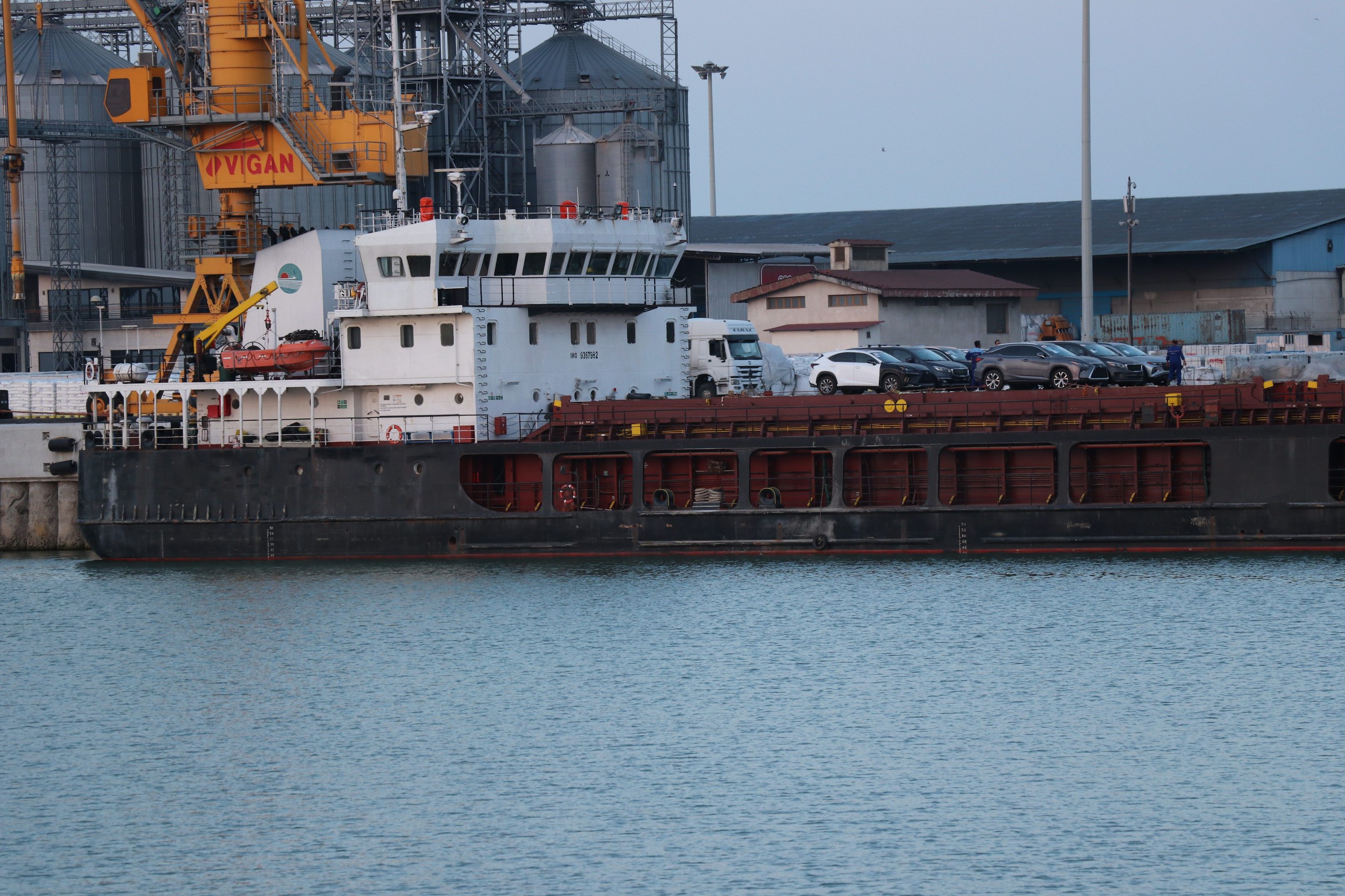




Transit CAR, TRUCK, SUV, VAN, MOTORCYCLE SHIPPING FROM UAE BY SEA FREIGHT TO Turkmenistan via iran (Export/Import)
The process of shipping vehicles such as cars, trucks, SUVs, vans, and motorcycles from the United Arab Emirates to Turkmenistan via sea freight has gained intricate layers in recent years. Factors such as the strategic geographic locations of ports, evolving trade relationships, and economic considerations have shaped this trade route. This part will examine the essential components of vehicle shipping from UAE, focusing on logistical routes, port operations, and customs regulations. It will also analyze the implications of these operations for trade between the UAE and Turkmenistan and highlight potential advancements in the industry.
To begin, understanding the geographical context is vital. The UAE, particularly Mina Rashid port in Dubai, serves as one of the most significant maritime gateways in the Middle East. This port is equipped to handle a large volume of cargo, including vehicles, making it a prime starting point for shipping to Turkmenistan. The sea freight route primarily traverses the Persian Gulf and crosses into Iranian waters, resulting in operations that involve several Iranian ports such as Bandar Lengeh and Bandar Anzali.
Bandar Lengeh, strategically positioned, serves as a critical transshipment hub. This port plays a pivotal role in facilitating cargo exchanges between the UAE and Northern countries, including Turkmenistan. Once vehicles arrive at Bandar Lengeh, customs clearance is conducted, which is often expedited due to existing trade agreements between the UAE and Iran.
Following customs clearance in Iran, land freight becomes essential for transporting the vehicles to their final destinations. Key ports in Iran, such as Bandar Amirabad, enable vehicle transit to Central Asia. From these points, transportation to Turkmenistan can be efficiently arranged. Deliveries are often made to the ports in Astrakhan, Makhachkala, and Turkmenbashi, facilitating the process of reaching end customers in Turkmenistan.
Each aspect of the shipping process holds significance regarding compliance with regulations and the overall efficiency of the transport system. For example, customs regulations in both the UAE and Iran are crucial determinants of how smoothly the shipping process proceeds. Adherence to local laws and international shipping regulations helps prevent delays and extra costs. Moreover, it ensures that the vehicles comply with safety, environmental, and import standards set forth by Turkmenistan.
Logistics plays a vital role in determining the success of vehicle shipping operations. Coordinating sea and land freight requires adept management skills, including tracking shipments and synchronizing the availability of transport modes. Efficiency can be enhanced through advancements in technology, such as the adoption of digital platforms that allow for real-time tracking of vehicles during transit. Additionally, strong relationships between shipping companies, customs brokers, and local authorities are critical in streamlining the processes.
Another factor influencing vehicle shipping is the economic relationship between the UAE and Turkmenistan, supported by recent trade agreements. Such agreements promote trade and investment opportunities, contributing to an expanding market for vehicles. The industrial portfolio of UAE includes manufacturing efforts that produce a range of vehicles to meet various consumer needs. Hence, shipping vehicles to Turkmenistan from the UAE not only broadens market access for suppliers but also fulfills emerging consumer demands in a rapidly developing economy like Turkmenistan.
The significance of this shipping route cannot be understated, particularly considering its implications for regional trade dynamics. With geopolitical alliances shifting in recent years, the role of Iranian ports has become increasingly prominent for land-locked countries like Turkmenistan. Enhanced connectivity via sea freight can potentially serve as an economic catalyst for the region, benefiting both sender and receiver countries.
Moreover, the logistics involved in this trade route are continuously evolving. Trends suggest a growing inclination towards eco-friendliness in the transport sector, leading to innovations that reduce carbon footprints associated with vehicle shipping. Companies are increasingly exploring options for cleaner transport methods, such as fuel-efficient vessels and electric vehicles, which may further change the shipping landscape.
In summation, shipping cars, trucks, SUVs, vans, and motorcycles from the UAE to Turkmenistan via sea freight such as the routes through Mina Rashid port and Iranian ports like Bandar Lengeh and Bandar Amirabad encompasses a multitude of factors. From logistics and customs regulations to the economic relationship between nations, each component plays a vital role in final deliveries to the ports of Astrakhan, Makhachkala, and Turkmenbashi. Moving forward, industry stakeholders must remain adaptable to changes in regulations, trade dynamics, and technology to seize opportunities for growth in this evolving landscape. The future of vehicle shipping from the UAE to Turkmenistan appears promising, driven by potential advancements and strengthened trade relations.