

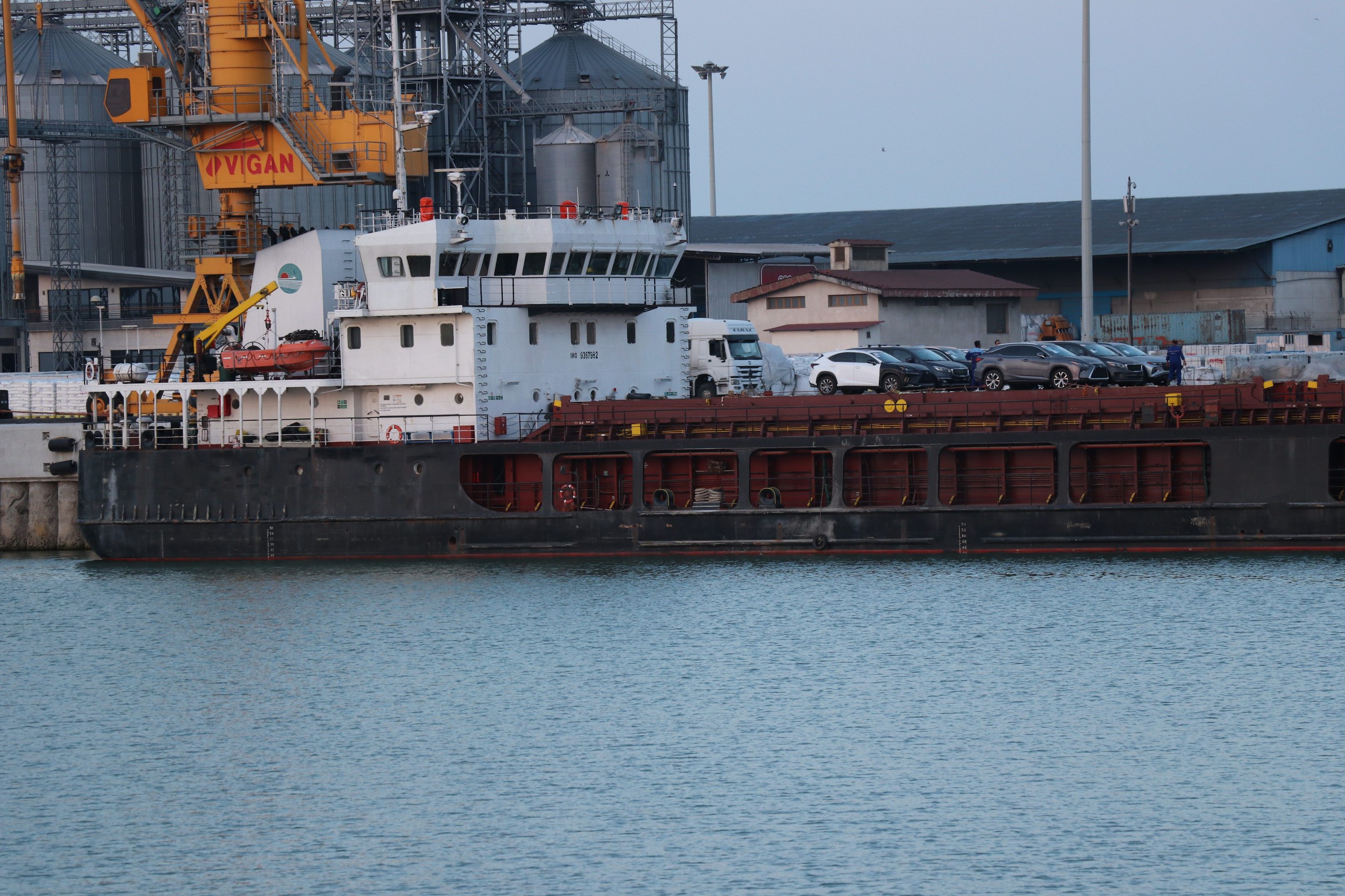




Transit CAR, TRUCK, SUV, VAN, MOTORCYCLE SHIPPING FROM UAE TO Republic of Azerbaijan via iran ( Import / Export )
The process of shipping vehicles such as cars, trucks, SUVs, vans, and motorcycles from the United Arab Emirates to the Republic of Azerbaijan via Iran involves a complex interplay of logistical planning, regulatory compliance, and the efficient use of maritime and overland transport. This section aims to explore the shipping routes, key ports involved, and the evolving landscape of vehicle transportation in this region, while also discussing its economic and logistical impacts.
To begin with, understanding the logistics of vehicle shipping is essential. The Mina Rashid Port in Dubai serves as a primary export hub for vehicles shipped internationally. As one of the busiest ports in the region, it offers advanced facilities and services for the loading of various types of vehicles. The port's strategic location facilitates efficient maritime trade routes, making it an optimal starting point for shipments destined for Azerbaijan.
The journey of vehicles typically begins with sea freight. From Mina Rashid, vehicles are transported via cargo ships to Bandar Lengeh in Iran. This port is significant due to its proximity to the southern coast of Iran and serves as a key transit point for shipments heading towards Azerbaijan. After reaching Bandar Lengeh, the shipping process transitions to land freight. This stage involves transporting the vehicles from Bandar Lengeh to the borders of Azerbaijan. The road infrastructure in Iran has seen improvements in recent years, contributing to reduced transit times for overland shipments.
Further along the route, vehicles are transported to the Iranian ports of Bandar Anzali and Bandar Amirabad. These ports are crucial gateways for goods intended for the Caspian Sea region. Bandar Anzali, in particular, is well-known for its facilities that handle various cargo types, making it an ideal transit point for vehicles that will eventually be delivered to various destinations in Azerbaijan and beyond.
Once vehicles arrive at the Iranian ports, they can reach their final destinations in the Caspian Sea area, including Astrakhan, Makhachkala, and Turkmenbashi. These ports serve not only Azerbaijan but also other regional countries, establishing a robust trade network that facilitates the free movement of goods. The ability to deliver vehicles to multiple locations enhances the shipping industry's efficiency, attracting businesses and individuals alike to utilize this transport corridor.
From an economic perspective, the shipping of vehicles from the UAE to Azerbaijan contributes significantly to trade volume and economic interaction between these nations. The UAE has emerged as a leading source of vehicles for the Azerbaijan market. This trade fosters relationships and increases mutual reliance, paving the way for future economic collaborations. Moreover, logistics companies benefit from this demand, as they create jobs and drive advancements in shipping technology and processes.
It is also essential to address the regulatory framework governing vehicle shipping in this region. Different countries have unique import regulations and customs requirements. For example, Azerbaijan has specific standards regarding the age and condition of vehicles that can be imported. Therefore, companies involved in this trade must stay up-to-date with these regulations to ensure compliance and avoid penalties or fines. This highlights the need for knowledgeable logistics providers who understand the legal landscape and can navigate these complexities efficiently.
Various influential individuals and companies have played critical roles in shaping the vehicle shipping industry in this region. Business leaders in logistics firms have driven innovation through the adoption of new technologies such as tracking systems, which enhance transparency and efficiency in shipping operations. Furthermore, partnerships between UAE and Azerbaijan companies have emerged, showcasing the potential for growth in this sector.
In recent years, advancements in technology have also facilitated smoother operations. Digital platforms allow for real-time tracking of shipments, supporting better customer service and improved operational efficiency.
Looking into the future, several potential developments could shape the vehicle shipping industry between the UAE and Azerbaijan. The introduction of more direct shipping routes could enhance efficiency, minimizing transit times and reducing costs. Additionally, further integration of technology such as artificial intelligence and blockchain could revolutionize logistics processes, ensuring more secure and transparent transactions.
In conclusion, the shipping of vehicles from the UAE to the Republic of Azerbaijan via Iran constitutes a multifaceted industry characterized by significant logistical challenges and opportunities. The key ports of Mina Rashid, Bandar Lengeh, Bandar Anzali, and Bandar Amirabad play integral roles in this process. The economic implications of this trade are profound, fostering international relationships and enhancing local economies. As technology continues to develop, the industry is poised for further refinement and growth, ensuring its relevance in an ever-evolving global landscape.