

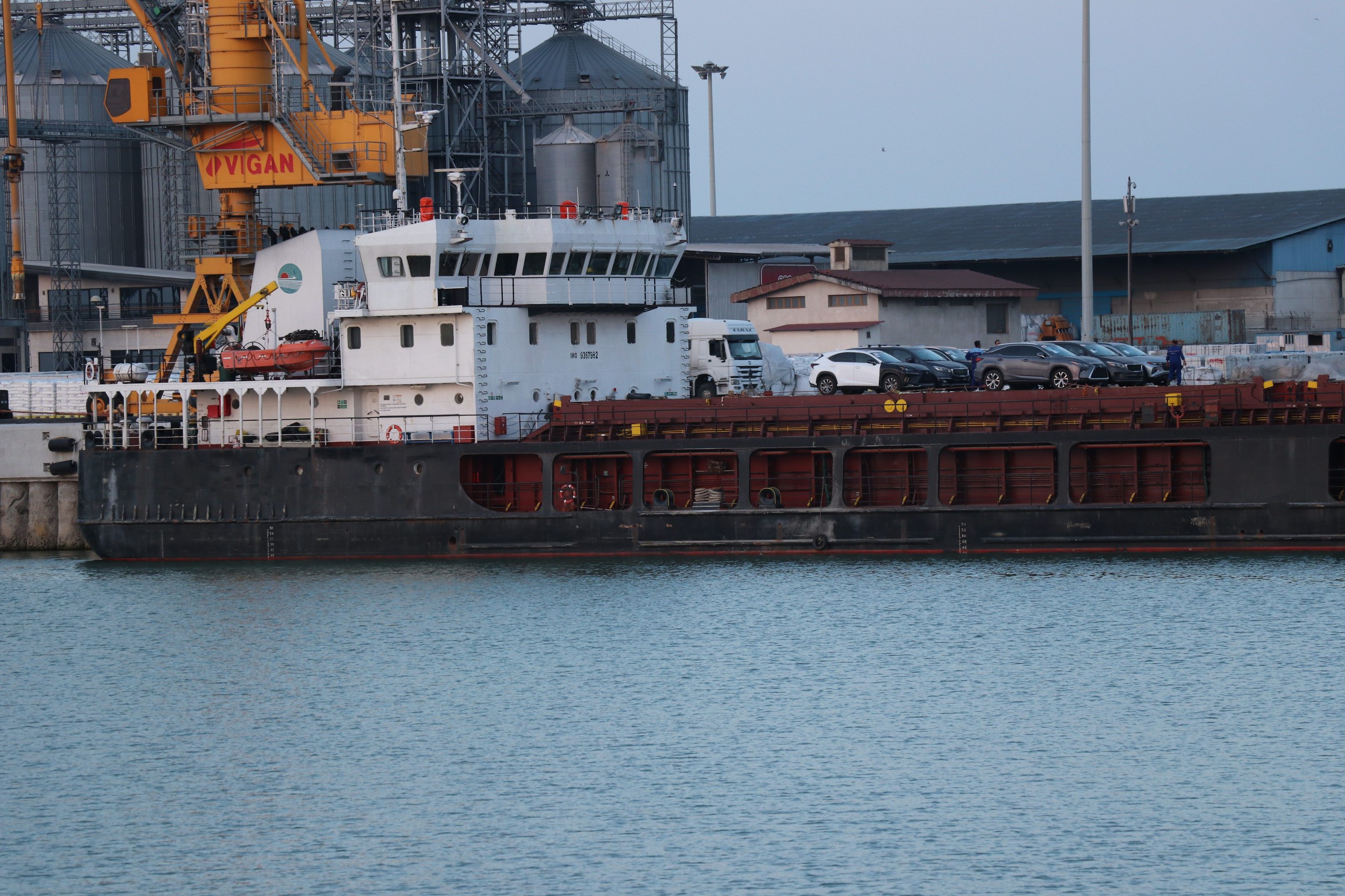




Transit CAR, TRUCK, SUV, VAN, MOTORCYCLE SHIPPING FROM UAE BY SEA FREIGHT TO Republic of Tajikistan via iran (Export/Import)
The shipping of vehicles such as cars, trucks, SUVs, vans, and motorcycles from the United Arab Emirates (UAE) to the Republic of Tajikistan via Iran represents a crucial component of the broader logistics and trade network. This section will explore the significance of this transit, the ports involved, the logistical operations of sea and land freight, and the implications for trade relations in the region. Additionally, it will survey recent developments and consider the potential for future growth in vehicle shipping related to this route.
Firstly, the UAE stands as a central hub for trade in the Middle East. Its strategic location, developed infrastructure, and modern facilities make it an ideal starting point for vehicle exports. Mina Rashid Port in Dubai has emerged as a vital terminal, boasting advanced logistics capabilities. This port serves as a primary launch point for maritime transportation to various destinations, including Iranian ports such as Bandar Lengeh. The choice of Bandar Lengeh is significant due to its proximity to the Gulf of Oman and its role as an entry point for goods into Iran.
After arriving in Bandar Lengeh, vehicles must undergo land freight processes to reach their final destinations in Tajikistan. To facilitate this, Iran provides a well-developed network of roads and transportation services, ensuring that vehicles can be efficiently moved into the Central Asian region. The importance of land routes cannot be understated, as they bridge maritime travel with overland transport, creating a seamless logistics chain.
In the context of this shipping route, Bandar Anzali and Bandar Amirabad serve additional facilitative roles. These ports are vital for those operations that benefit from diversified entry points along the Caspian Sea coast. These Iranian ports facilitate trade with countries bordering the Caspian Sea, including Russia and Turkmenistan. The interconnected nature of these ports demonstrates how regional cooperation can enhance trade dynamics.
The ships transporting vehicles from the UAE to Iran contain not only personal vehicles but also commercial units such as trucks and vans, which are crucial for businesses operating in Tajikistan. These vehicles accommodate various sectors, including agriculture, construction, and service industries. In this light, the shipping of vehicles directly supports the economic development of Tajikistan, providing essential resources for growth.
Moreover, the characteristics of the shipping process necessitate careful handling and regulatory compliance. Exporting vehicles from the UAE involves adherence to numerous customs regulations, which dictate the necessary documentation, tariffs, and inspections required for both sea and land transit. Importantly, stakeholders involved in this process must ensure that vehicles meet the local standards in Tajikistan to facilitate smooth entry and avoid unnecessary delays.
Additionally, the market for motorcycles has grown over recent years, especially among younger demographics in Tajikistan. The appeal of motorcycles lies in their affordability and fuel efficiency, making them an attractive option for urban transportation. Shipping from the UAE provides access to a diverse range of motorcycle brands and models, enriching the consumer market in Tajikistan.
Furthermore, influential individuals and organizations in the transport and logistics sector have advocated for improved trade relations between the UAE and Central Asian countries. Their efforts have led to enhanced bilateral agreements and economic forums focusing on logistics and trade. This continuing dialogue is crucial, as it opens pathways for increased vehicle shipping volumes while addressing challenges faced by exporters and importers alike.
Current trends suggest that initiatives focused on fostering improved infrastructure and investment in logistics will be essential for sustaining and expanding vehicle transit between the UAE and Tajikistan through Iran. Developing technology and solutions, such as GPS tracking and inventory management systems, can help streamline the shipping process, making it more efficient and predictable.
In conclusion, vehicle shipping from the UAE to Tajikistan via Iran is a multifaceted operation involving sea and land freight. The network of ports, particularly Mina Rashid and Bandar Lengeh, underscores the importance of maritime transport in this trade. As the logistical framework evolves, stakeholders must heed the implications of current trends while preparing for potential developments. Overall, this strategic transit route holds promise for enhancing economic relations and expanding the reach of businesses across Central Asia. The future of vehicle shipping between these regions looks optimistic as it adapts to changing market demands and navigates the complexities of international trade.
?>