

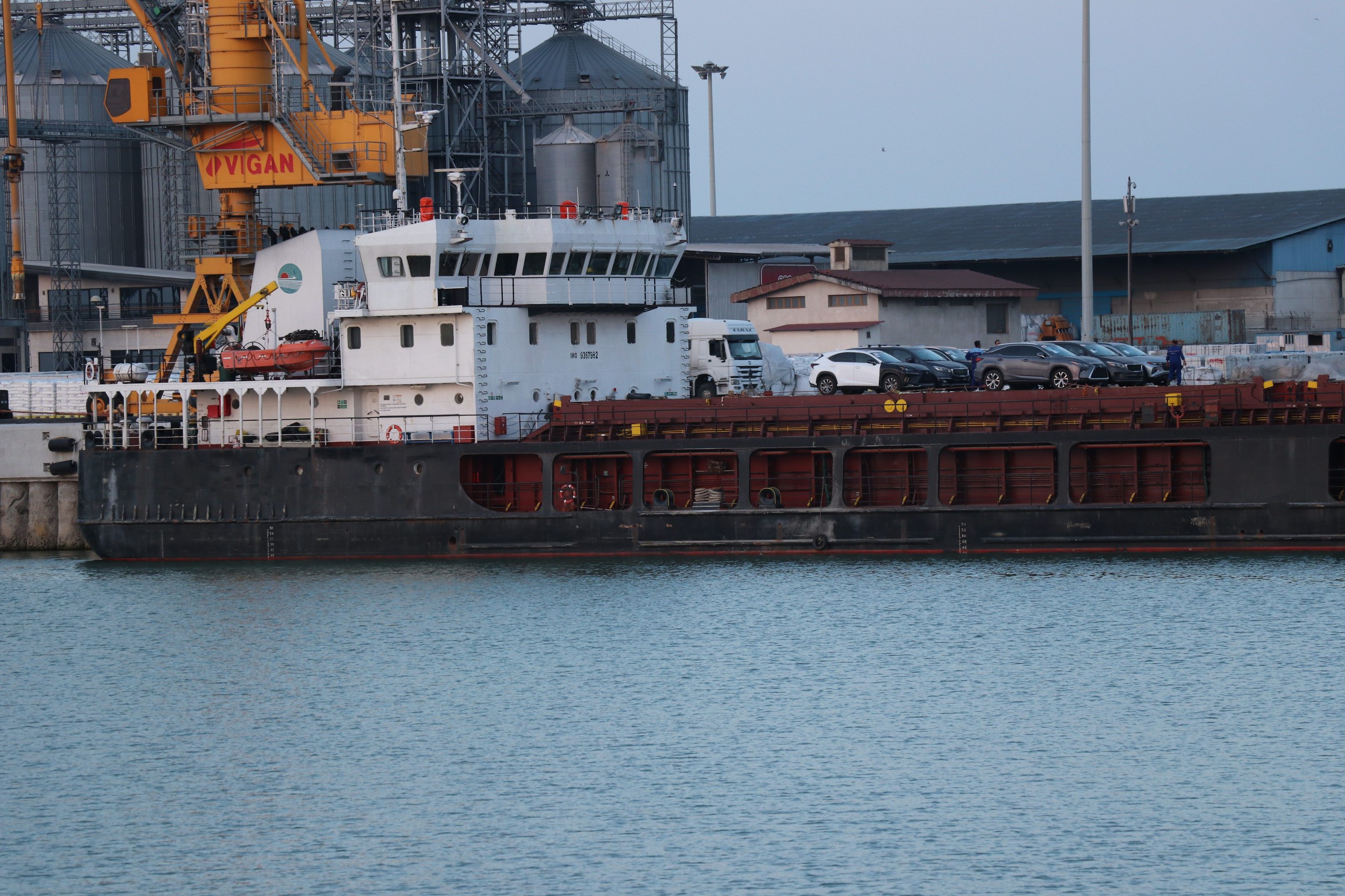




Transit CAR, TRUCK, SUV, VAN, MOTORCYCLE SHIPPING FROM UAE BY SEA FREIGHT to Republic of Azerbaijan, Republic of Kazakhstan, Republic of Tajikistan, Russian Federation, Turkmenistan VIA IRAN (Export / Import )
The shipping of vehicles such as cars, trucks, SUVs, vans, and motorcycles from the United Arab Emirates through multiple countries, including the Republic of Azerbaijan, Republic of Kazakhstan, Republic of Tajikistan, the Russian Federation, and Turkmenistan, is an intricate process involving substantial logistics and international trade considerations. This section will explore the shipping routes, logistics, and operational aspects, including sea and land freight dynamics, as well as the implications for trade across these nations.
Shipping vehicles from the UAE typically begins at Mina Rashid port in Dubai, which is one of the largest and most well-equipped ports in the region. This port serves as a key transit hub for vehicle exports, taking advantage of the UAE’s strategic position as a trade gateway to Asia and Europe. Vehicles are loaded onto cargo ships, which transport them across the Persian Gulf to ports in Iran, notably Bandar Lengeh. This phase of sea freight is essential for facilitating the movement of goods at a scale that meets the demands of international commerce.
Once the vehicles have arrived at Bandar Lengeh, they can be transported overland through Iran. This land freight segment is crucial as it connects the southeastern part of the country with northern borders. Vehicles can be effectively moved toward the ports of Bandar Anzali and Bandar Amirabad, which serve as further points for onward shipment. The transport routes from these ports are well established and provide vital connections to the Caspian Sea, allowing for the next leg of the journey to countries like Azerbaijan, Kazakhstan, and Russia.
In terms of specific logistics handling, it is essential to consider the customs procedures involved in each of these countries. Each nation maintains its own regulations for vehicle imports, which can vary significantly. For instance, Azerbaijan and Kazakhstan have undergone several economic reforms to streamline import processes. These changes facilitate faster customs clearance, whereas Turkmenistan may impose stricter regulations due to state control of the economy. Thus, knowledge of local laws is paramount for effective shipping operations.
After transiting through Iran and reaching the designated Caspian ports, vehicles can then be shipped to final destinations, such as Astrakhan, Makhachkala, and Turkmenbashi. These ports serve as gateways, enabling the seamless entry of vehicles into the Russian markets and beyond. Given the diversity of vehicles exported – from personal cars to commercial trucks and blankets of motorcycles – adaptability in storage and handling at these ports becomes crucial. The strategic geographic positioning of these ports allows for efficient export flows into the Commonwealth of Independent States.
The individuals and organizations driving these operations must be knowledgeable about logistics, trade agreements, and vehicle compliance standards. Influential trade leaders and logistics firms play a significant role in shaping the workflows needed for successful exports. Their strategic decisions impact not only operational efficiency but also the cost structure, subsequently influencing market pricing for vehicles within these recipient countries. The engagement of skilled logistics personnel, customs brokers, and compliance experts cannot be overstated; their contributions ensure smoother transactions and reliable service delivery.
This intricate vehicle shipping process also reflects broader economic trends within the region. The demand for imported vehicles in Central Asia continues to grow, driven by urbanization and economic development. Emerging markets, particularly Kazakhstan and Azerbaijan, are witnessing increased consumer purchasing power, leading to a rising demand for a variety of vehicles. This economic backdrop highlights the importance of establishing strong shipping routes to meet burgeoning demand.
Given the current global landscape, the industry must also consider several potential future developments. The expansion of digital technologies in logistics, including tracking systems and automation, promises enhanced visibility and efficiency. Countries involved in this shipping process can also benefit from investing in improved infrastructure along the relevant transport corridors. Enhanced road quality and expanded port facilities will bolster the effectiveness of land and sea freight, ultimately reducing lead times and cost implications for businesses in the region.
In conclusion, the shipping of cars, trucks, SUVs, vans, and motorcycles from the UAE to several Central Asian countries via Iran is multifaceted and dynamic. Along this route, intricate logistics involving sea and land freight, customs regulations, and continuous adaptations to economic trends and consumer demands are paramount. The continued growth in vehicle demand across these countries suggests that there will be further developments in shipping methodologies and practices, necessitating agility from those engaged in the logistics field. As economies evolve, the ability to seamlessly transport vehicles will remain a critical component of international trade in the region.